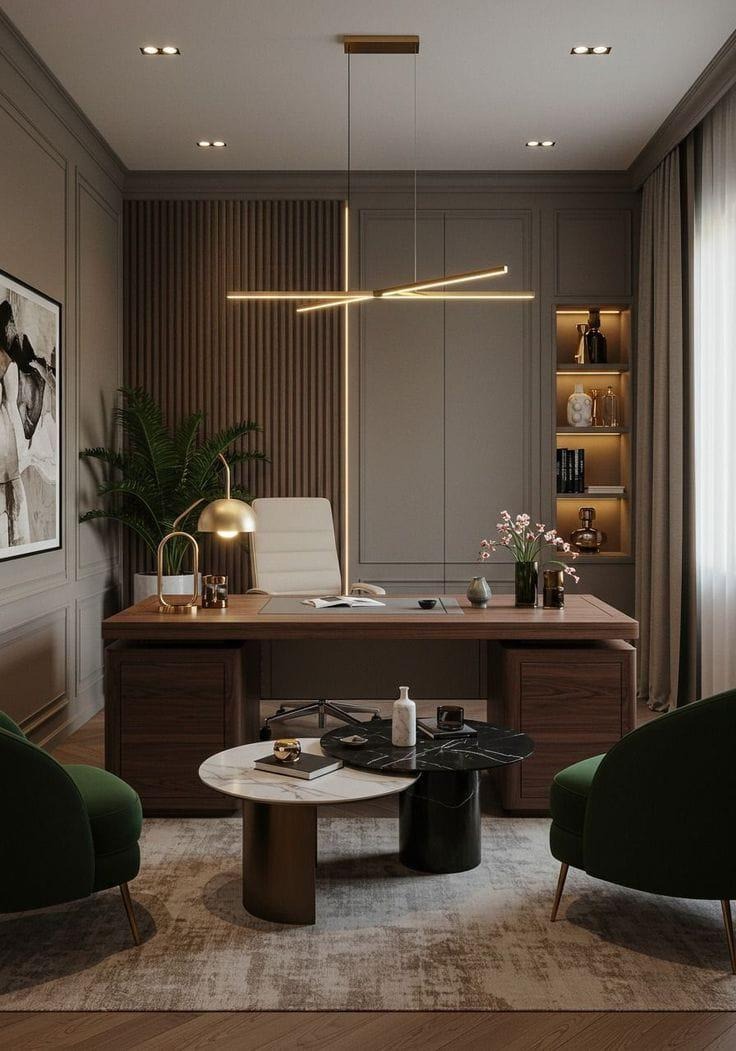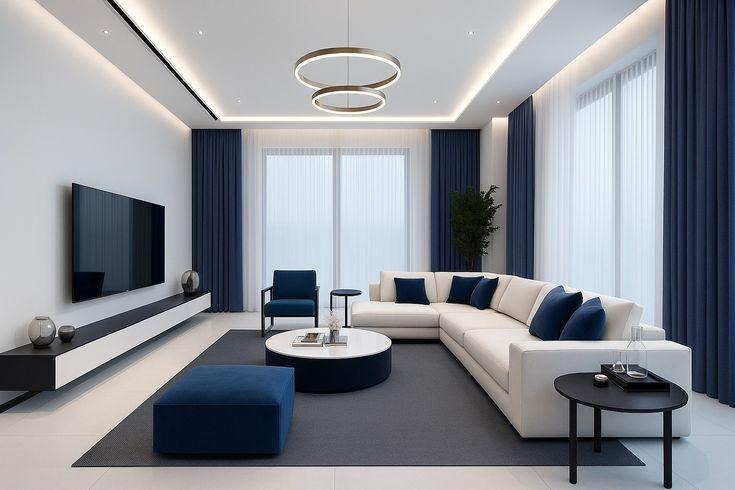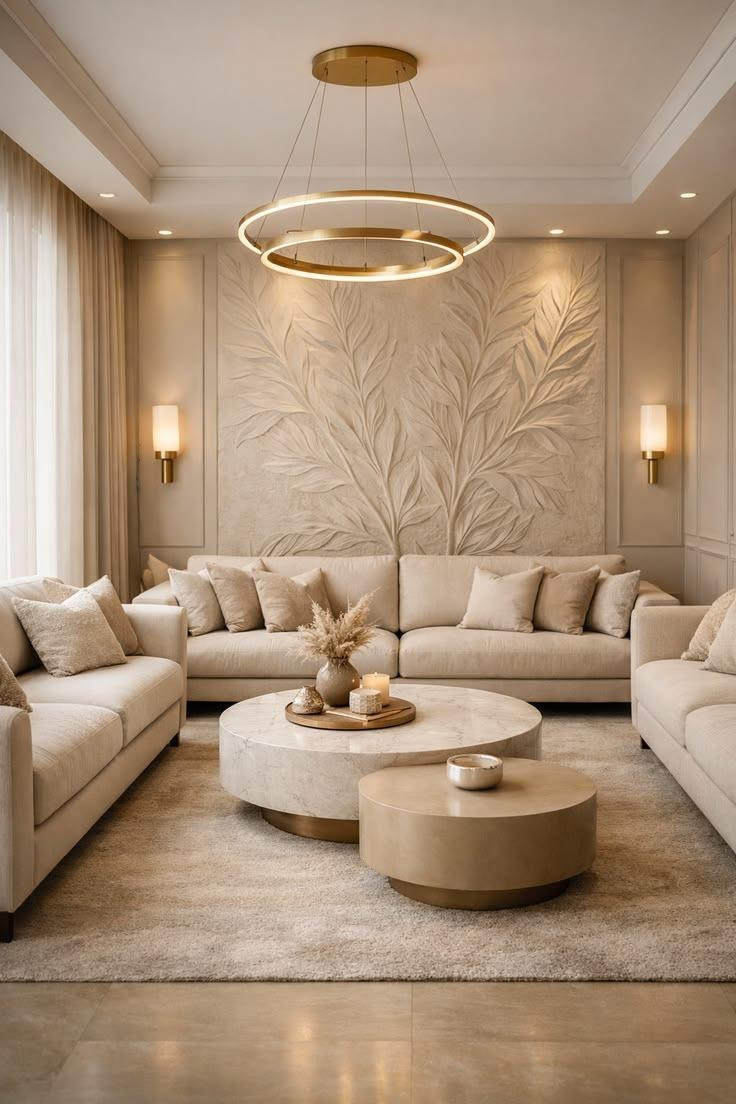
What Does an Interior Designer Actually Do? A Complete Guide for Homeowners
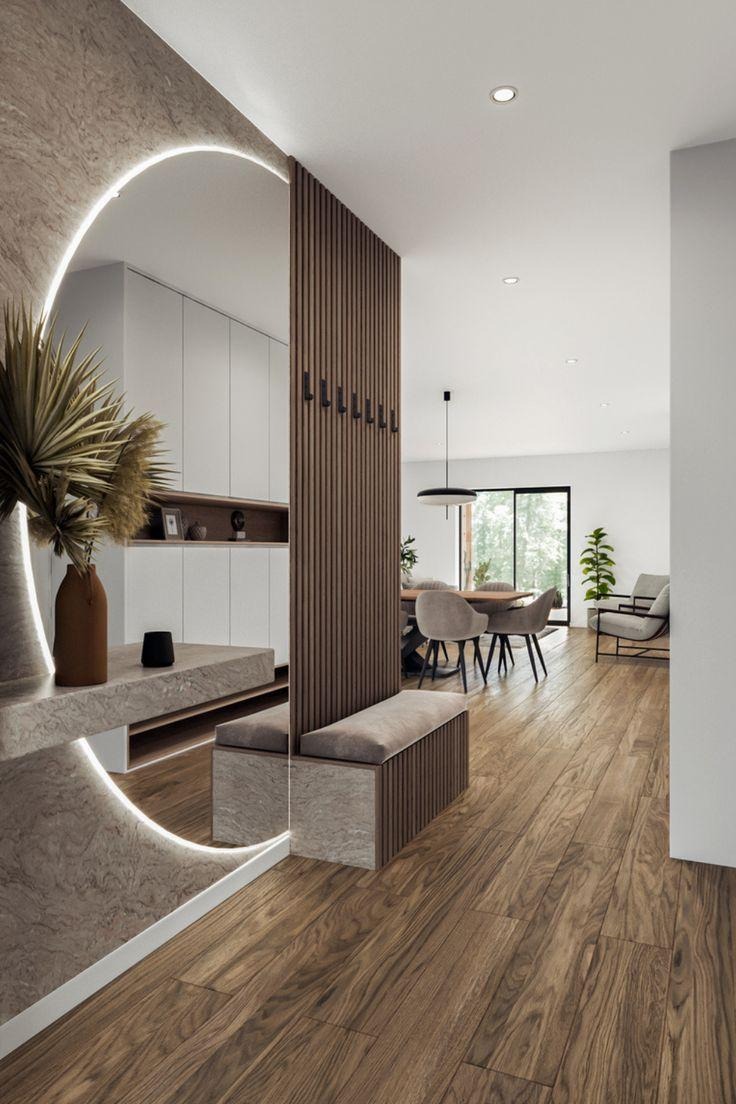
Most people assume interior design is basically glorified furniture shopping. Pick some colors, move things around, done. So when someone asks what does an interior designer do, the honest answer tends to surprise them.
Designers do far more than make a room look pretty. They plan spaces from scratch, manage contractors, source materials, handle budgets, and make hundreds of decisions you would never think to make on your own. And they do all of this while keeping your vision not theirs at the center of every choice.
If you have ever wondered whether hiring a designer is actually worth it or what separates them from a decorator this guide covers everything you need to know.
Understanding the Role of an Interior Designer
At its core the role of an interior designer is to take a space and make it work both visually and practically. That sounds simple enough but the process behind it involves technical training, creative problem-solving, and serious project coordination.
Interior designer responsibilities span the entire project from the first site visit to the day you walk into your finished space. They might work on a single room or an entire building. Residential interior design, commercial fit-outs, hospitality projects, offices, the scope varies but the approach stays the same, understand the client, understand the space and deliver something that works for both.
Space Planning and Layout Design
Before anything gets bought, built or painted a designer figures out how the space should actually be laid out. This is called space planning and it is one of the most undervalued parts of the whole process.
A bad layout can ruin even the most expensive finishes. If the sofa blocks the natural light if the kitchen island cuts off the flow between rooms, if the office desk faces a wall with no ventilation none of the aesthetics matter. Space planning fixes all of that before it becomes a problem.
Designers look at traffic flow, room proportions, how light moves through the day and how each area connects to the next. In a compact Karachi apartment or a large commercial property getting the layout right first is what makes everything else fall into place.
Material and Color Selection
Choosing materials is not as straightforward as it looks on a mood board. A designer has to think about how a surface will hold up with daily use, how it photographs versus how it actually looks in person whether it suits the local climate and whether it fits the budget without compromising the overall vision.
In Pakistan specifically things like heat resistance, dust accumulation and humidity in certain areas all affect which materials actually make sense. A marble that looks stunning in a European showroom might be impractical for a Karachi home that gets direct afternoon sun.
Colors follow similar logic. How a shade looks on a small paint swatch is completely different from how it reads across a full wall in different lighting conditions. Designers test, adjust, and make sure the final palette works as a whole, not just in isolation.
Furniture, Lighting, and Decor Selection
This is the part most people imagine when they think of interior design and yes, it is a real part of the job. But sourcing furniture and decor as a professional looks very different from browsing Instagram for inspiration.
Designers work with trade suppliers, source custom pieces and select items based on scale, proportion and how they interact with everything else in the room. Something that looks great online can completely throw off a space if the dimensions are slightly off or the finish clashes with the flooring.
Lighting deserves its own mention here. Most homeowners treat it as an afterthought one ceiling fixture per room and done. A designer will layer ambient, task and accent lighting to shape how a space feels at different times of day. Get the lighting wrong and even a perfectly designed room falls flat.
Project Management and Execution
Here is where a lot of the real work happens and where having a designer versus not having one makes the biggest practical difference.
Once the design is approved someone has to coordinate the contractors, carpenters, electricians, plumbers and painters. Make sure they show up, do the right thing in the right order and fix it when something goes wrong. That someone is your designer. The home interior design process typically runs through these stages:
- Interior design consultation understanding your goals, budget and how you actually use the space
- Concept development mood boards, 3D renders and design direction
- Detailed drawings and space planning
- Sourcing materials, furniture and fixtures
- On-site supervision and contractor coordination
- Final styling and handover
Without this structure, projects drag, budgets blow out and you end up with a space that is almost what you wanted but not quite.
Interior Designer vs Interior Decorator: What Is the Difference?
People use these terms interchangeably all the time but they describe genuinely different skill sets.
An interior designer has technical training in spatial design, architecture and construction. They can read structural drawings, coordinate with engineers, plan major renovations and manage a full turnkey project from beginning to end. In many countries, it is a regulated profession with formal qualifications.
A decorator works with what already exists rearranging furniture, updating colors, styling shelves. That has its place but it stops well short of what a designer does.
If your project involves walls coming down, new layouts, construction or building from scratch you need a designer. If you just want to refresh a room that already works well a decorator might do the job.
Why You Should Hire an Interior Designer
Hiring a designer costs money but the real question is how much not hiring one costs you. Here’s what you actually get:
- Mistakes caught before construction begins, saving you far more than the fee
- Trade access to suppliers and pricing the public simply cannot get
- Someone keeping the project on schedule , no chasing contractors yourself
- A final result that holds together, every finish and fixture working as one
Whether it’s a home or a commercial space the right designer pays for itself.
Work With Cube Design Studio
Cube Design Studio is a Karachi-based architecture and interior design firm with over 8 years of experience across residential, commercial, and turnkey projects. Based in DHA Phase 4, the team works across Pakistan and handles everything in-house concept, design, 3D rendering, construction management, and handover.
Projects range from modern and minimalist to traditionally inspired depending entirely on what the client wants. No templates, no cookie-cutter solutions.
Visit cubedesignstudio.org or reach out directly to get started.
Call / WhatsApp: 0301 111 2233 | Email: info@cubedesignstudio.org
Frequently Asked Questions
Q: What does an interior designer do?
A: They plan and design interior spaces, manage the entire project from concept to completion, coordinate with contractors, source materials and furniture, and make sure the final result matches the brief.
Q: Do interior designers only work on luxury homes?
A: Not at all. Designers work across all budgets and project types. The skillset applies whether you are renovating a two-bedroom apartment or building a large villa.
Q: Is hiring an interior designer expensive?
A: There is an upfront cost, yes. But when you factor in what designers save you, wrong purchases, construction mistakes, time spent managing trades — most clients find it pays for itself.
Q: What is the difference between an interior designer and a decorator?
A: A designer handles the full picture. Space planning, construction coordination, technical drawings and project management. A decorator works within an existing space and focuses on styling. For anything involving renovation or building work, you need a designer.