7 Design Mistakes Pakistani Homeowners Make
Introduction
Building or renovating a home in Pakistan is a significant investment, often deeply intertwined with family aspirations and cultural values. Yet, even with the best intentions, subtle and common design errors can undermine the beauty, functionality, and long-term value of your space. These blunders don’t just look bad; they often lead to long-term issues like poor airflow, inadequate lighting, and a home that feels cramped instead of customized “Design Mistakes Pakistani Homeowners Make”.
As a senior design expert, I’ve observed recurrent themes—especially how local traditions can inadvertently clash with modern, human-first design principles. This guide is built on Experience, Expertise, Authority, and Trustworthiness (E-E-A-T), providing you with a pragmatic, expert-level breakdown of the top mistakes Pakistani homeowners make and, more importantly, how to avoid them to create a comfortable, elegant, and future-proof home. Let’s move beyond the basics and start building smarter.
The Fatal Flaw of Scale: Oversized Furniture in Compact Spaces
One of the most persistent issues I encounter, particularly in smaller urban homes in cities like Karachi and Lahore, is the misunderstanding of scale. Homeowners, eager to create a luxurious impression, often purchase heavy, oversized furniture—think massive, bulky sofa sets or grand, ornate beds—that is disproportionate to the room size. This is a classic case of functionality being sacrificed for perceived opulence. The result isn’t luxury; it’s a visually crowded, impractical space with poor traffic flow.
The Fix: Prioritize Proportion and Negative Space
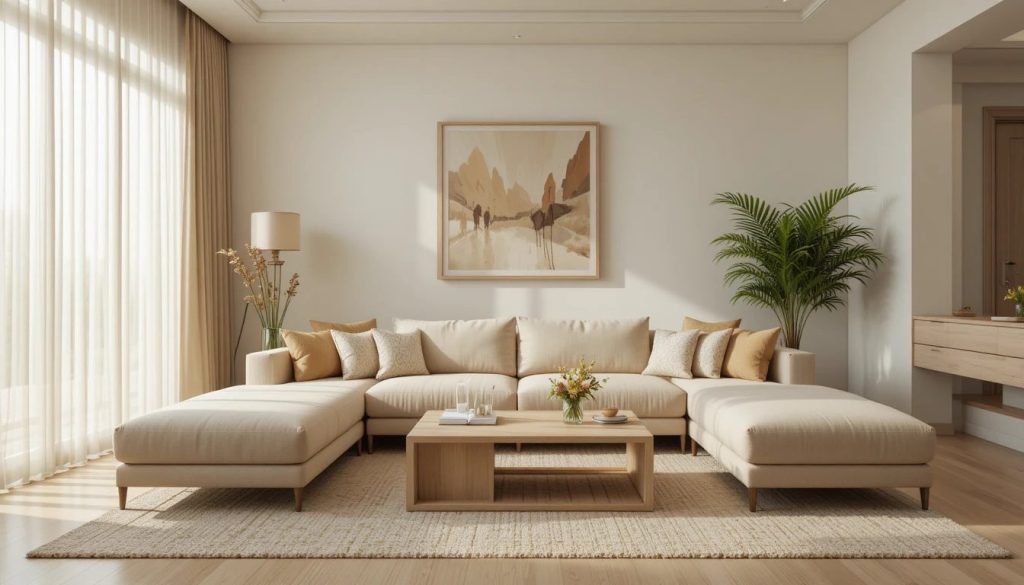
The solution is to embrace proportionality and negative space. Opt for furniture with cleaner, slimmer profiles and exposed legs, which create a visual break and make the room feel less dense. Resist the urge to push all pieces flat against the wall; creating a small 3-4 inch gap allows the room to breathe and actually makes it appear larger. For seating, choose an appropriately sized L-shape or two-seater with two armchairs instead of a bulky 7-piece set.
Mistake #2: Underestimating the Power of Layered Lighting
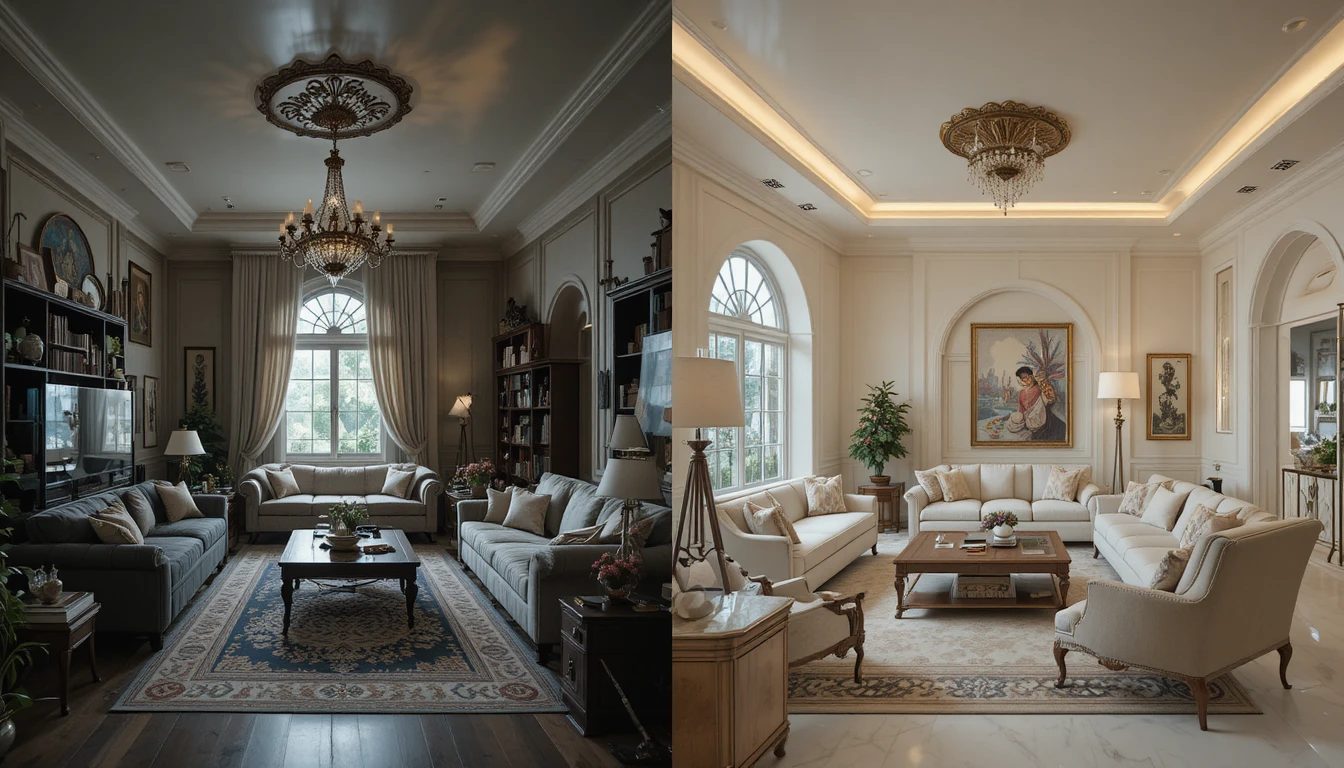
In many Pakistani homes, lighting is treated as an afterthought, often defaulting to a single, harsh, overhead chandelier or an array of simple ceiling tube lights. This singular focus creates flat, uninviting spaces that lack depth and mood. Relying solely on one light source is a mistake that cripples the ambiance and usability of a room, making tasks difficult and relaxation impossible.
Beyond the Chandelier: Implementing the Three Layers of Light
A truly expert-level space uses layered lighting—a cornerstone of effective interior design. You need three types:
Ambient (General): The primary light (recessed LEDs, simple ceiling fixtures).
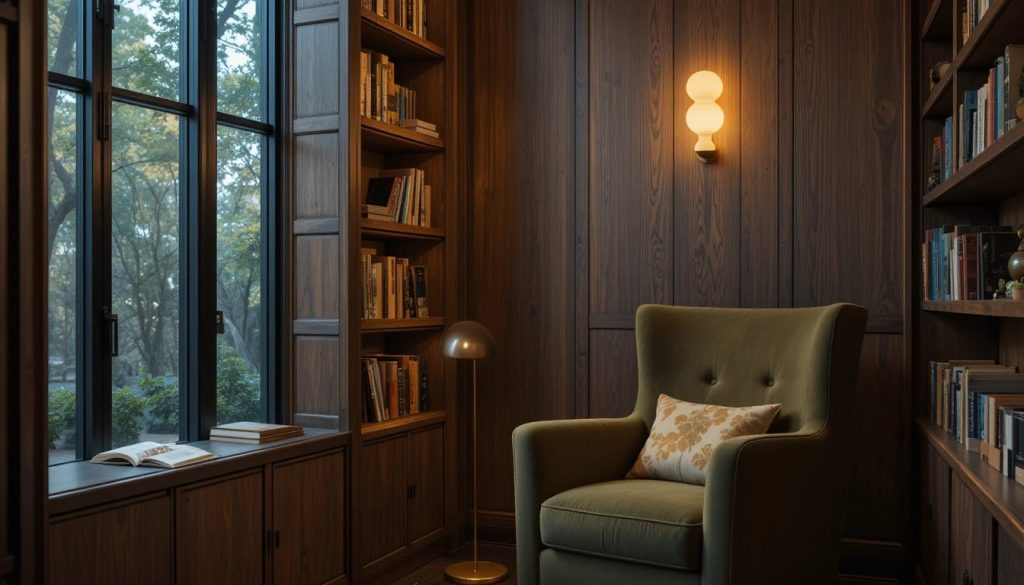
Task: Focused light for function (pendant lights over a kitchen island, floor lamps next to a reading chair, vanity lights in the bathroom).
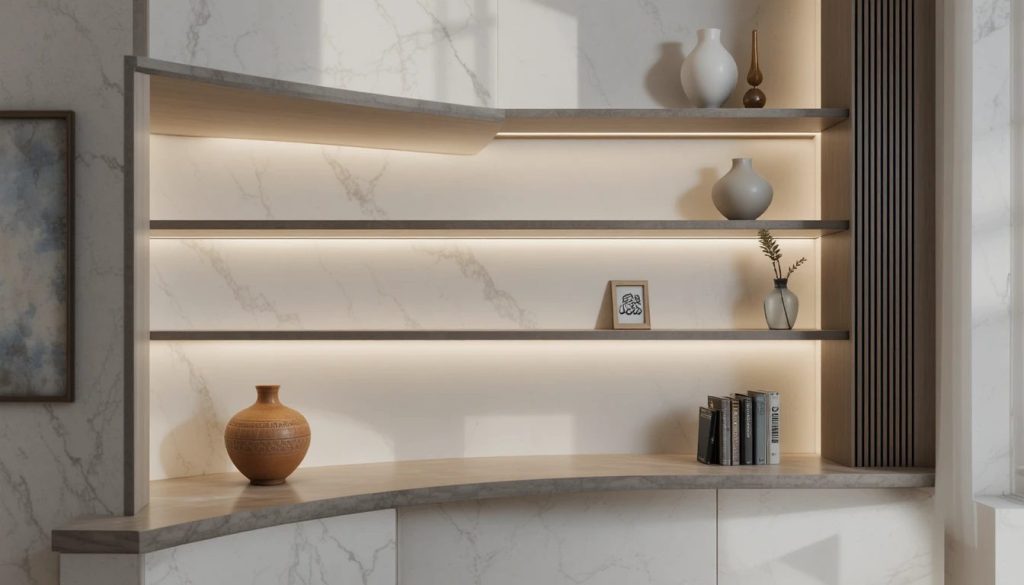
Accent: Light to highlight features (spotlights on artwork, strip lights in shelving, dimmable wall sconces to create mood).
In the Pakistani context, using warmer-toned bulbs (2700K to 3000K) in living areas creates a cozy, welcoming mood essential for gatherings and family time, while cooler light (4000K) is better suited for high-activity areas like the kitchen or home office.
Mistake #3: Color Commitment Without Context (The ‘Too Bold, Too Soon’ Syndrome)
Many homeowners get carried away by vibrant color samples, choosing excessively bold or saturated colors for large areas, like all four walls in the living room. While Pakistan has a rich tradition of vibrant colors in fashion and textiles, translating this intensity directly to large wall surfaces can make the room feel chaotic, visually exhausting, and ultimately smaller. Furthermore, these colors often look drastically different under natural light versus indoor lighting, leading to massive disappointment.
The Fix: Mastering the 60-30-10 Rule
An experienced designer uses a balanced palette, typically following the 60-30-10 rule:
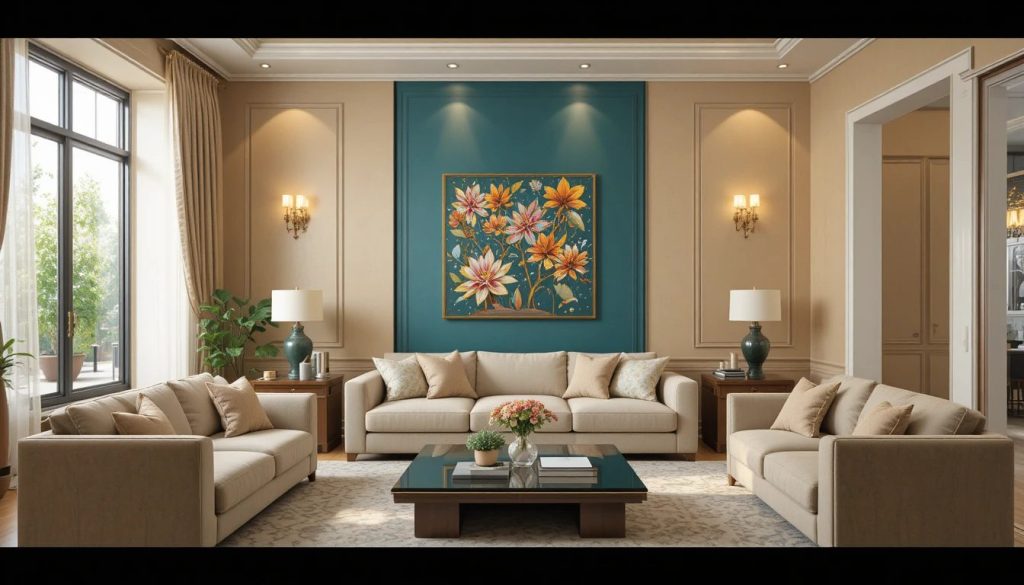
60% Dominant Color: Neutral, calming background (off-white, light gray, soft beige) for the walls.
30% Secondary Color: Used for major furniture, curtains, or an accent wall (terracotta, deep blue, sage green).
10% Accent Color: Used for cushions, artwork, accessories, and décor items (a pop of saffron, emerald, or burnt orange).
This strategy allows the space to feel sophisticated and grounded while still offering ample opportunity to inject the rich, vibrant cultural colors of Pakistan through easily swappable textiles and art.
Mistake #4: Neglecting Ventilation and Climate Control
Pakistan’s climate—ranging from the extreme heat of the plains to the humid coastal areas—demands specific architectural and design considerations that are often overlooked in favor of aesthetics. Failure to plan for natural cross-ventilation and insulation results in reliance on expensive, energy-guzzling air conditioning, making the home costly to run and uncomfortable during load shedding.
Expert Tips for a Climate-Conscious Home
Cross-Ventilation: Ensure that windows are strategically placed on opposite or adjacent walls to allow air to flow through the room, not just in and out of one opening.
Window Treatments: Install high-quality, thermal-backed curtains or blinds to block intense sun (especially on South and West-facing windows).
Local Materials: Utilize materials like local stone or high-quality insulation in the roof and walls to help regulate interior temperature, a fundamental Expertise point for local construction.
Ceiling Fans: Don’t dismiss the ceiling fan. Modern, high-efficiency fans are stylish and essential for circulating air and reducing AC usage.
Mistake #5: Clutter Over Curated: The Problem with Over-Decorating
In an effort to display cherished items, family mementos, and recent purchases, many homes fall victim to excessive clutter. Over-decorating—placing too many small, non-cohesive pieces on every shelf, surface, and wall—overwhelms the eye and diminishes the value of truly beautiful, unique items. It’s an easy mistake to make, but it instantly degrades a home’s aesthetic from curated to crammed.
Curate, Don’t Crowd: The Less-Is-More Philosophy
Adopt a “less is more” approach. Every decorative piece should earn its place.
The Focal Point Rule: Every room needs one primary focal point (a large piece of art, a feature wall, or an architecturally interesting fireplace). All other decor should support, not compete with, this point.
Built-in Storage: Invest in beautiful, built-in cabinetry and media walls. This hides clutter behind closed doors, creating clean lines and a tranquil environment.
The 90-Day Rule: If you haven’t used or truly admired a decorative item in the last 90 days, consider storing, donating, or selling it. Trustworthiness in design comes from practical, liveable solutions.
Mistake #6: Ignoring the Entrance and Transition Zones
The entryway (or dehleez) is the first impression of your home, yet it’s often neglected. Similarly, hallways and staircases—the transition zones—are frequently left bare, poorly lit, or used as secondary storage. Ignoring these areas is a missed opportunity to set the tone, establish the home’s style, and introduce a cohesive flow.
Designing for Flow and First Impressions
Give your entryway the respect it deserves.
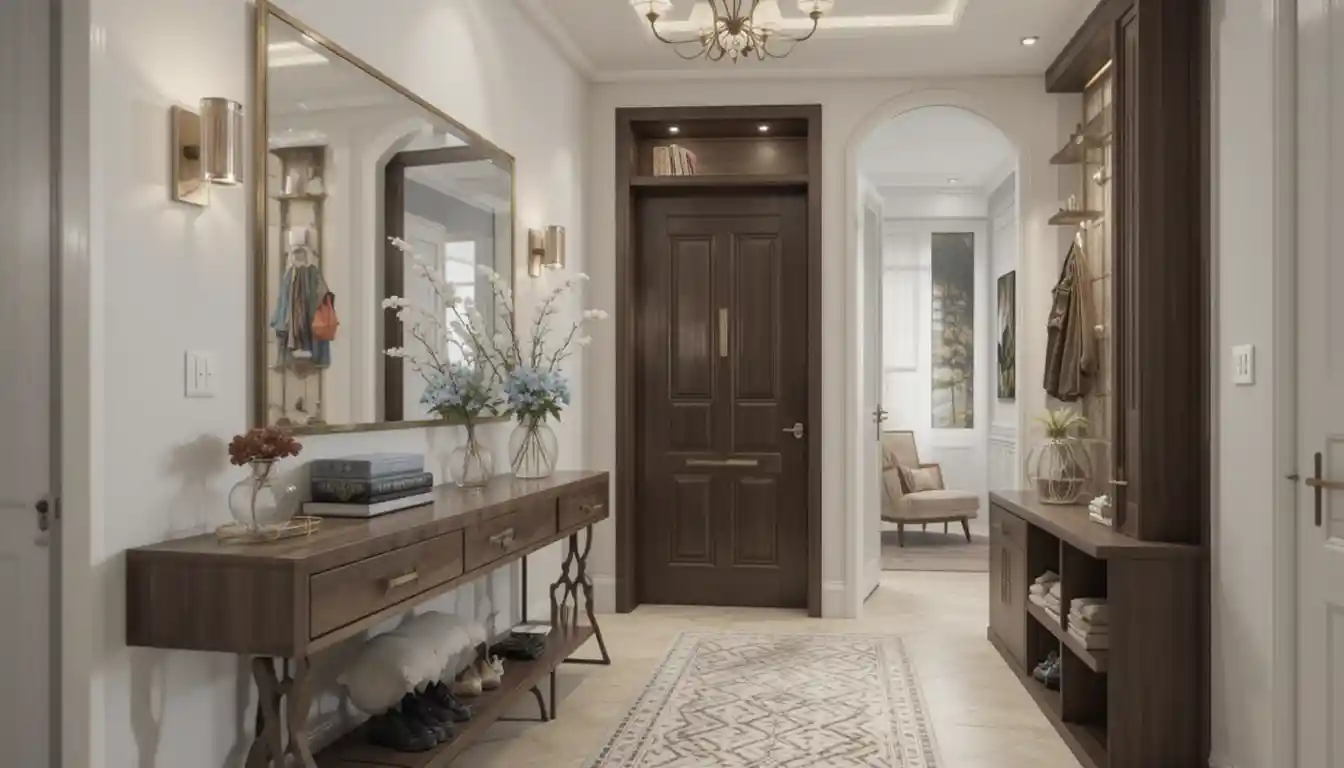
Define the Space: Use a console table, a striking mirror, or a statement light fixture to define the area. A beautiful rug can anchor the space and offer a welcoming touch.
Hallway Art: Treat hallways as a gallery. Use a cohesive set of framed family photos or a collection of local landscape art to add visual interest.
Staircase Lighting: The staircase is a prime area for accent lighting, like wall-mounted step lights or a dramatic, long pendant light, enhancing safety and aesthetics.
Mistake #7: Prioritizing Trends Over Timelessness
Chasing fleeting international design fads without considering the local architectural context or your family’s actual lifestyle is a costly blunder. A home filled with the trend of the moment quickly looks dated, requiring expensive re-dos. This is a crucial point of Experience—trends expire, but good design endures.
The Lifetime Value of Timeless Pakistani Design
Focus on timeless elements that integrate well with the Pakistani lifestyle:
Neutral Foundation: Stick to high-quality, durable materials and neutral color schemes (creams, whites, light wood, natural stone) for permanent fixtures like flooring, walls, and cabinetry.
Cultural Texture: Inject personality and tradition through easily changeable elements: cushions, durries (rugs), throws, and artwork. This allows you to follow a trend for a fraction of the cost and effort.
Multi-Generational Functionality: Design for family. Ensure the floor plan accommodates large, multi-generational gatherings, a hallmark of Pakistani family life, with durable, easy-to-clean finishes.
Key Takeaways
Proportionality is Key: Choose slim, appropriate-sized furniture to maximize space and flow instead of bulky, oversized pieces.
Layer Your Light: Move beyond single-source lighting and incorporate ambient, task, and accent lighting for a comfortable, mood-setting environment.
Embrace 60-30-10: Use a neutral 60% base for walls, 30% for key furniture, and 10% for vibrant cultural accents.
Design for Climate: Integrate cross-ventilation, thermal curtains, and ceiling fans to manage Pakistan’s climate efficiently.
Curate, Don’t Crowd: Invest in good storage and select fewer, more meaningful decorative items to avoid clutter.
Honour the Entrance: Give attention to entryways and transition zones to create a consistent, welcoming first impression.
Choose Timeless Over Trend: Use neutral, durable, high-quality materials for a long-lasting foundation and introduce trends through textiles and accessories.
Cube Design Studio Services:
Ready to ensure your next project avoids these costly pitfalls? Don’t let common mistakes diminish your home’s potential. Contact us today for a comprehensive design consultation where our E-E-A-T-certified senior strategists will help you craft a functional, elegant, and climate-aware space that perfectly reflects the modern Pakistani lifestyle. Secure your home’s value and comfort for decades to come.