The Psychology of Color in Homes: Best Picks for Pakistan 2025
Introduction
Colors aren’t just about decoration—they shape how we feel, think, and even behave. In a Pakistani home, where family, tradition, and comfort meet modern design, choosing the right color palette is essential for emotional well-being and daily energy. This post is all about Psychology of Color in Homes
From calming blues in bedrooms to vibrant oranges in living areas, color psychology helps homeowners create atmospheres that support their lifestyles. This article breaks down how specific colors influence mood, what works best for each room, and how to blend tradition with modern psychology in Pakistani interior design.
What is Color Psychology in Interior Design?
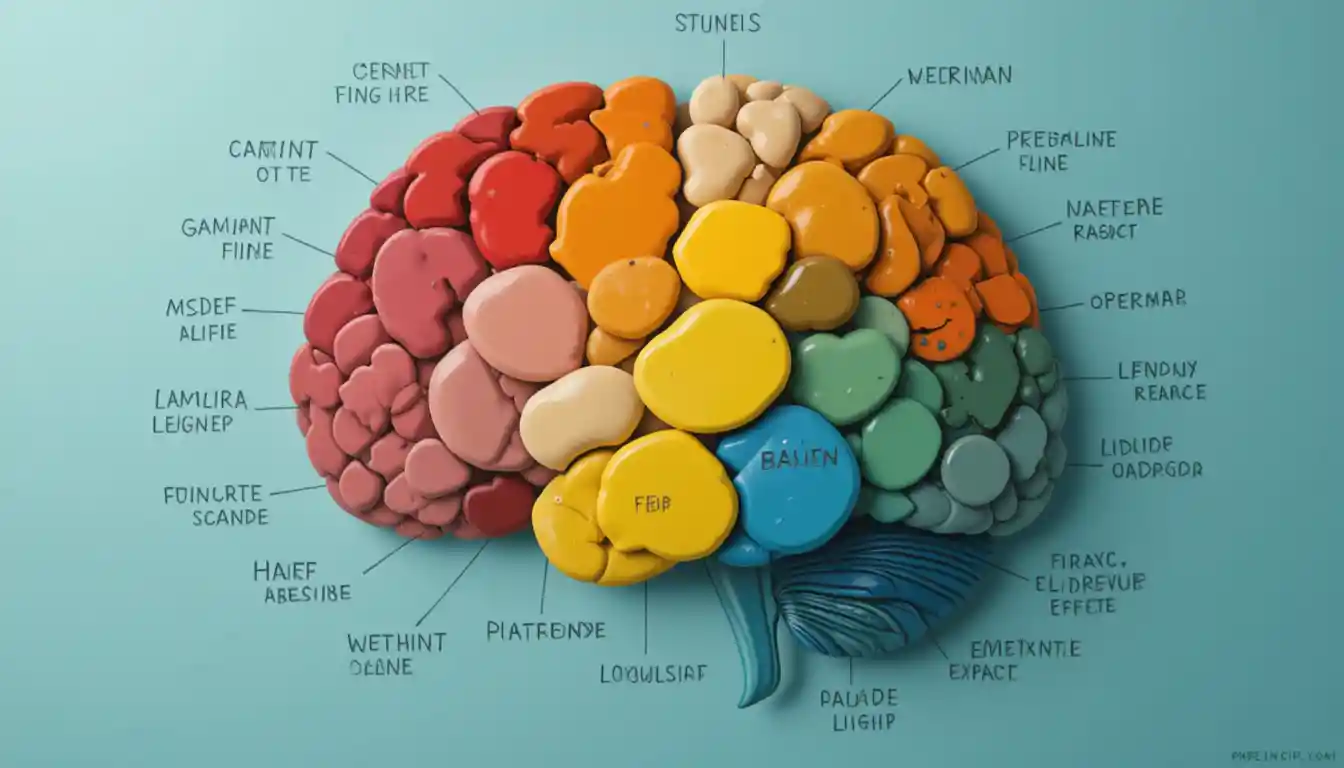
Color psychology is the study of how different hues affect human emotions and behavior. In interior design, it’s used to:
- Create mood (relaxing, energetic, romantic)
- Influence perception (larger, cozier, brighter)
- Align with personal or cultural values
- Boost comfort and visual harmony
In Pakistan, cultural preferences, climate, and room function all influence which color palettes work best and Psychology of Color in Homes.
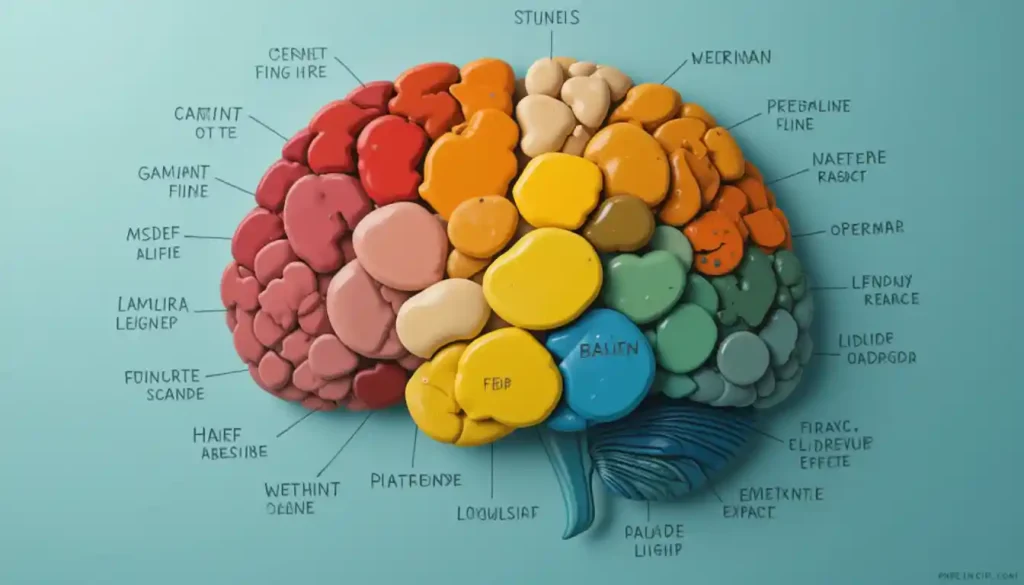
Best Colors for Each Room (Based on Psychology)
Let’s explore room-by-room color recommendations that balance psychological impact with practical use and Pakistani aesthetics.
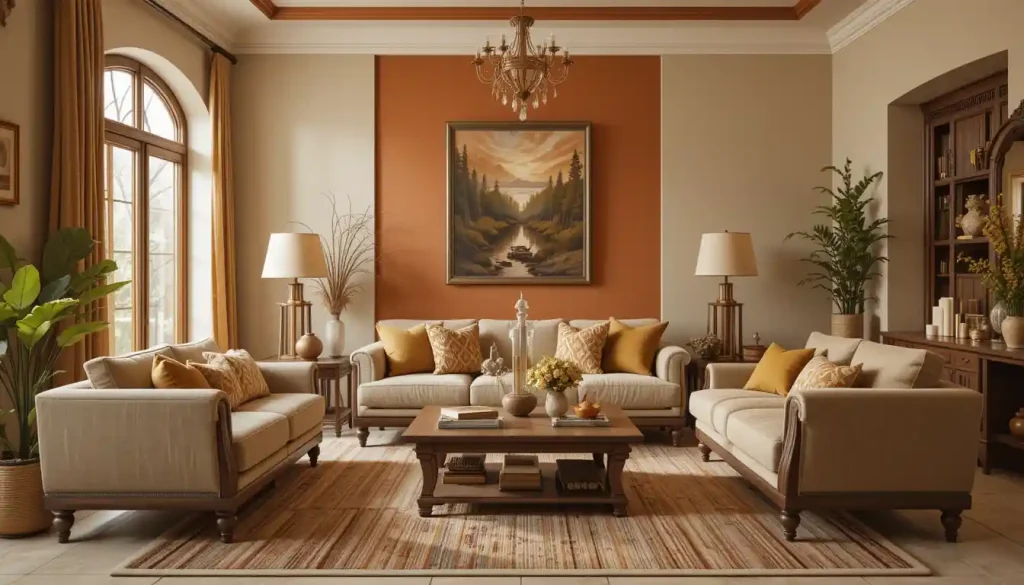
Living Room: Warm Neutrals & Earth Tones
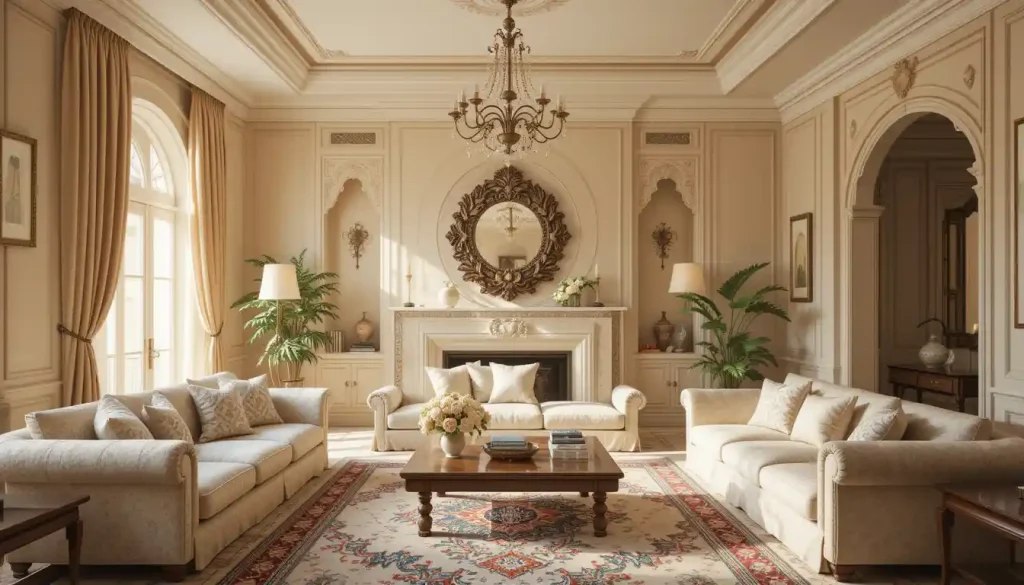
The living room is where families gather and guests are welcomed. You want it to feel warm, inviting, and lively—but not overwhelming.
Best Colors – Psychology of Color in Homes:
- Beige: Comfort, calm, and flexibility
- Terracotta or burnt orange: Welcoming, traditional energy
- Olive green: Earthy and grounded
- Soft browns: Cozy and timeless
These tones complement wood furniture, jute rugs, and Pakistani textiles perfectly.
What is Color Psychology in Interior Design?
Color psychology is the study of how different hues affect human emotions and behavior. In interior design, it’s used to:
- Create mood (relaxing, energetic, romantic)
- Influence perception (larger, cozier, brighter)
- Align with personal or cultural values
- Boost comfort and visual harmony
In Pakistan, cultural preferences, climate, and room function all influence which color palettes work best.
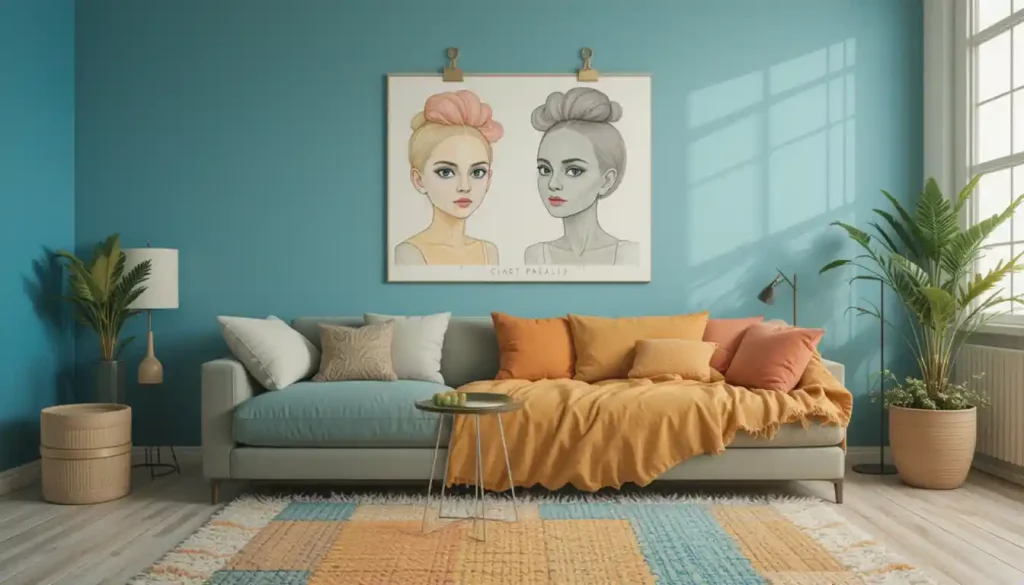
Bedroom: Cool, Soothing Colors
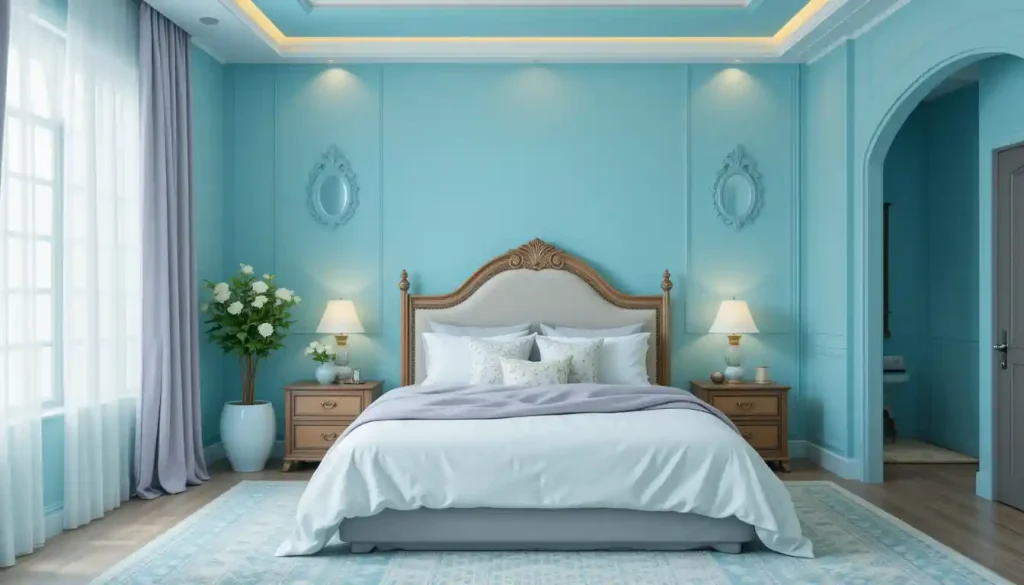
Your bedroom should feel like a personal retreat. Cool tones are best for promoting rest and relaxation.
Best Colors:
- Soft blue: Reduces stress, promotes serenity
- Lavender or dusty mauve: Romantic, soft, and calming
- Pistachio green: Fresh yet soothing
- Off-white with grey accents: Clean and minimal
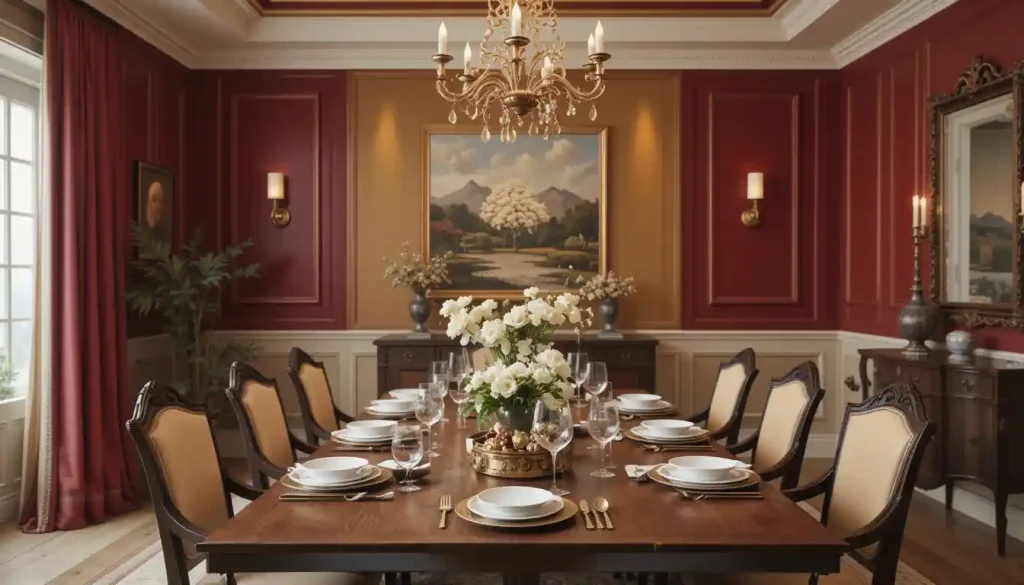
Dining Room: Rich, Appetite-Stimulating Colors
This space should feel warm, connected, and energizing. Avoid dull tones; instead, lean into vibrant, appetite-enhancing colors.
Best Colors:
- Deep maroon or ruby red: Stimulates appetite and feels regal
- Warm mustard: Traditional yet bold
- Creamy white or almond: Balances rich colors with airiness
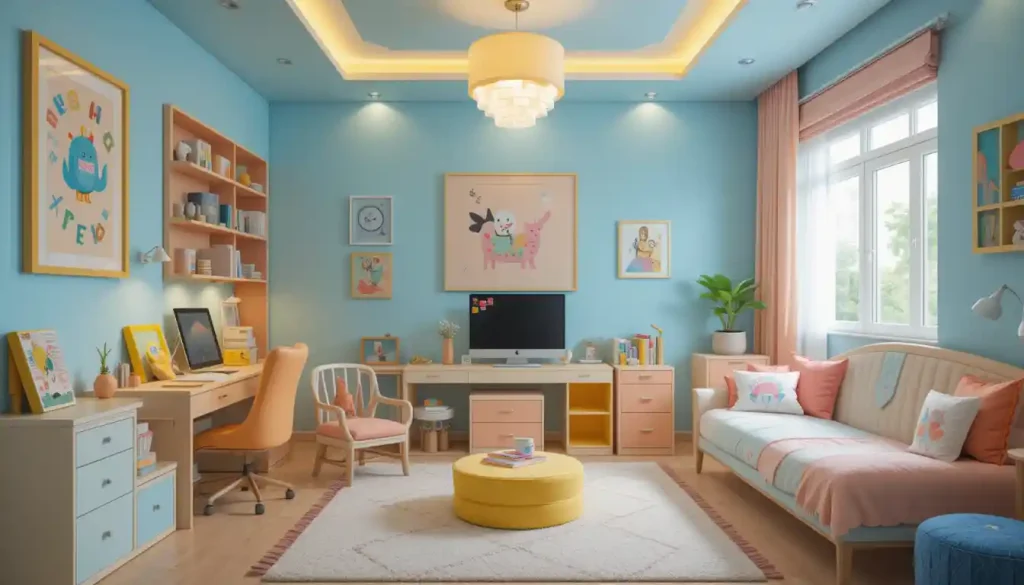
Kids’ Room: Bright, Uplifting Hues
Children respond strongly to color. Use playful tones without overwhelming the senses.
Best Colors:
- Sunshine yellow: Cheerful and attention-boosting
- Sky blue or sea green: Balances creativity with calm
- Soft pink or coral: Warm, friendly, nurturing
- Pastel peach: Great for nurseries or study corners
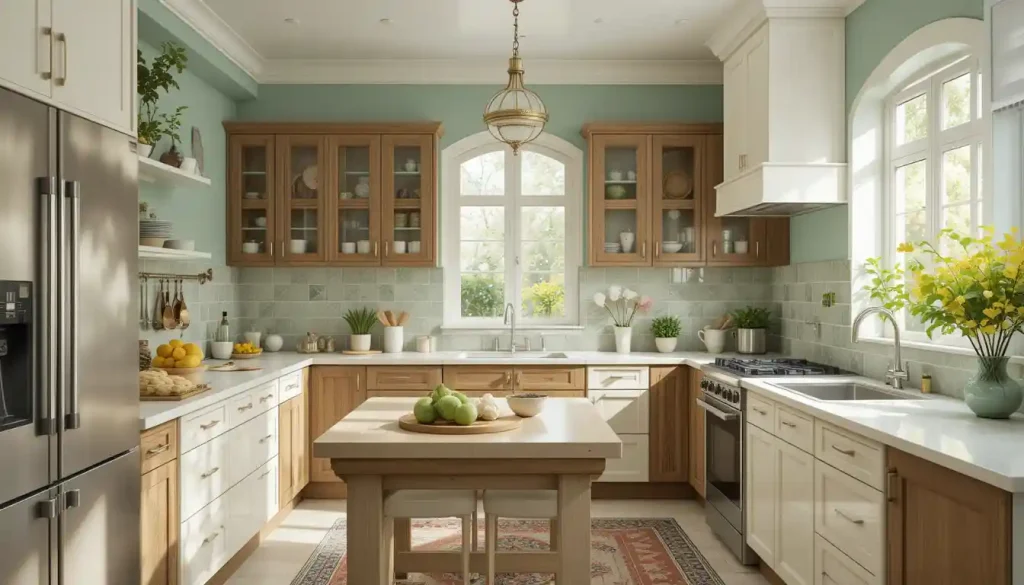
Kitchen: Clean, Bright, and Energetic
In Pakistani households, kitchens are lively and often shared spaces. The best colors here feel clean but energizing.
Best Colors:
- Mint green or lemon yellow: Fresh and lively
- Ivory with walnut cabinets: Clean, natural, and traditional
- Light grey with metallic accents: Modern and sleek
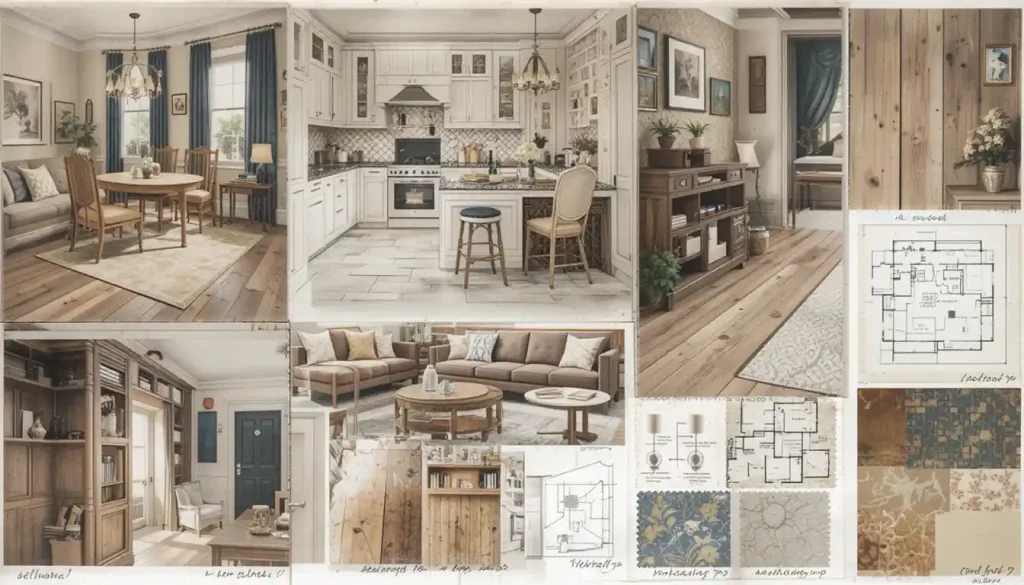
Color Selection Tips for Pakistani Homes
Here’s how to choose the right color with context:
- Climate: Use cooler tones in hot areas (like Karachi) and warmer tones in colder regions (like Murree or Quetta).
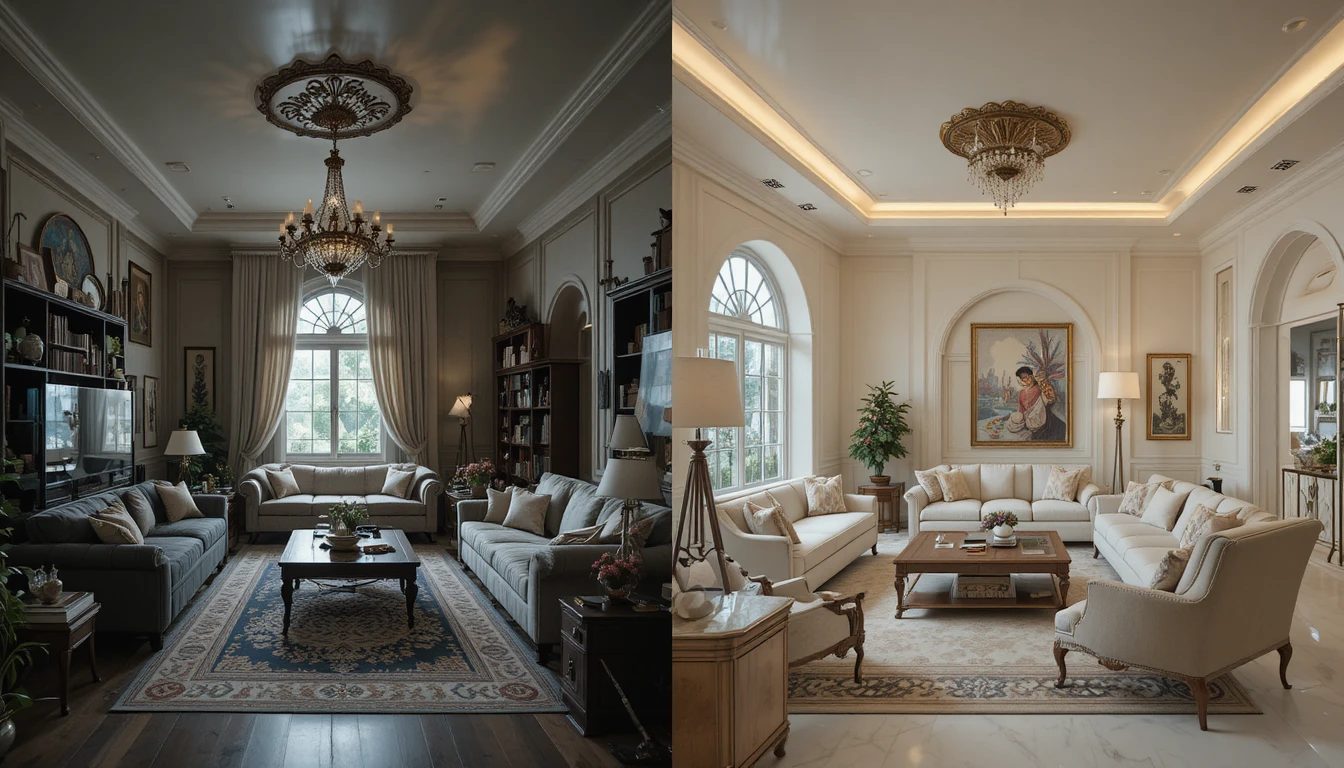
- Lighting: Dark rooms need lighter, reflective colors to avoid gloom.
- Furniture & Flooring: Match undertones of paint with wood, marble, or tiles.
- Cultural Influence: Incorporate color symbolism—greens for peace, reds for festivity, gold for elegance.
Our Design Tip: Use Accent Walls Smartly
Instead of painting the entire room one bold color, use accent walls to add personality without overpowering. Combine a bold color on one wall with neutral tones on others for a balanced look.
Great options:
- Maroon wall in dining room
- Teal or navy wall in living room
- Soft peach behind headboard in bedroom
Final Thoughts
Your home should feel as good as it looks, and color plays a powerful role in making that happen. By understanding the psychology of color, you can create a living space that reflects your mood, supports your lifestyle, and enhances your daily energy.
So next time you pick up a paintbrush, don’t just think “what looks nice”—think what feels right.
Let Us Help You Design With Color
At [Your Company Name], we specialize in interior design services that blend color psychology, smart space planning, and Pakistani aesthetics. Whether you’re building a new home or renovating a room, our team helps you choose color palettes, furniture, and layouts that create comfort and beauty.
We’re currently taking bookings in Karachi, with project availability across major cities. Book your free color consultation today—and start your home transformation with confidence.
Key Takeaways
- Color affects mood, energy, appetite, and comfort
- Cool colors relax (bedrooms), warm tones energize (living, dining)
- Cultural and climatic factors matter when choosing colors in Pakistan
- Use accent walls to balance bold choices
- Consult a professional for a personalized, stress-free color plan